Clocked Out: How the Final Two Minutes of an NFL Game Became the Sportsbook's Most Profitable Feeding Frenzy
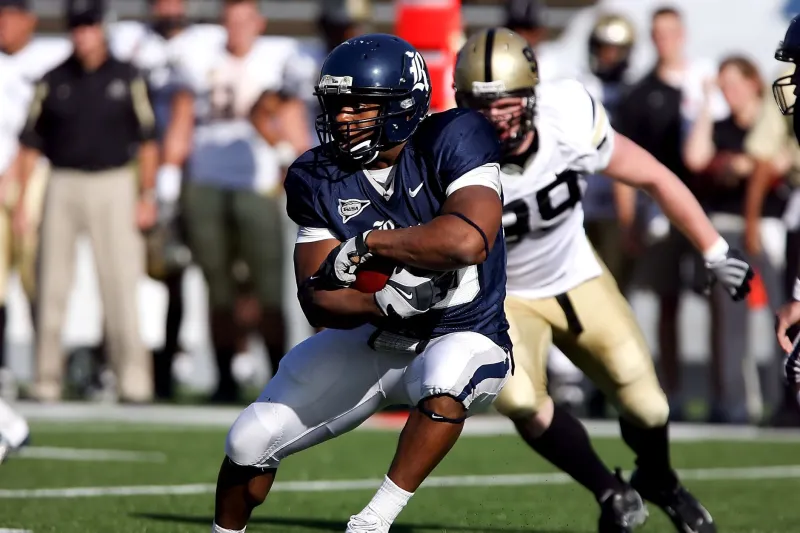
You've been watching the game for three hours. Your team is down four. There's 1:47 left on the clock, a timeout in the pocket, and the quarterback who just threw three picks is lining up under center like he's suddenly Patrick Mahomes. Your phone is already in your hand. The sportsbook app is already open.
Congratulations. You are exactly where they want you.
The two-minute warning is one of the most innocent-sounding rules in football. It's a mandatory stoppage. A breather. A chance for coaches to diagram plays on whiteboards while cheerleaders exist. But for sportsbooks running live betting markets, those 120 seconds are something else entirely: a prime harvesting window for impulsive, emotionally compromised bettors who've convinced themselves that this time, the math works out.
Spoiler: the math never works out.
What Happens to Lines When the Clock Stops
Live betting odds move fast under normal circumstances. A big gain, a fumble, a pass interference call — any of these will cause the algorithm to recalculate in real time, sometimes within milliseconds. But the final two minutes of a close NFL game is where line movement goes absolutely feral.
Here's why: the variables compound. Suddenly you're factoring in field position, timeouts remaining, score differential, possession, opponent's defensive scheme, and the very real possibility that a 38-year-old kicker is about to decide your financial fate from 54 yards out in a dome. The models have to account for all of it simultaneously, and the books build a wider margin into those odds to protect themselves from the chaos.
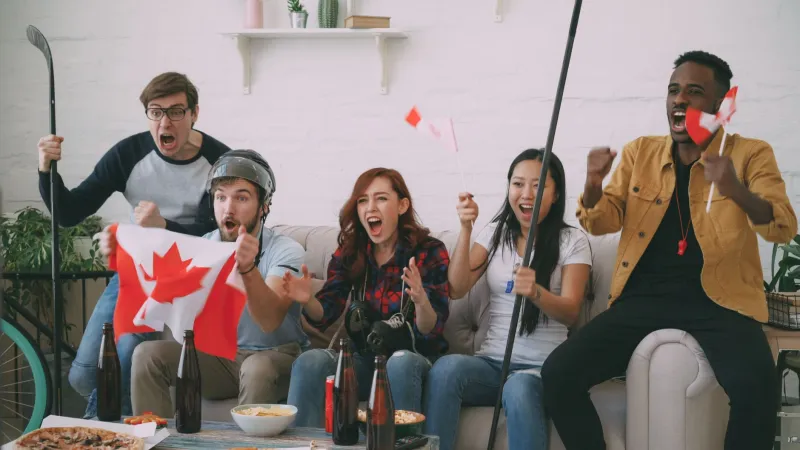
What that means for you, the degen sitting on the couch with marinara on your shirt, is that the live lines you're seeing in the final two minutes are almost certainly juicier for the house than anything you'd have found at kickoff. The vig is baked deeper. The implied probabilities are fuzzier. And you're being asked to make a decision under maximum emotional duress.
This is not a coincidence.
The Timeout Is a Trap Door
Here's the specific mechanic that turns reasonable people into chaos agents: the timeout.
When a team burns a timeout in the final two minutes, a few things happen simultaneously. Play stops. Broadcasters start speculating. The crowd noise fades into tense murmuring. And your sportsbook app — which has been quietly pinging you with 'live odds available' notifications since the third quarter — suddenly has your complete, undivided, cortisol-soaked attention.
The timeout creates the illusion of deliberation. You think you're being thoughtful. You're watching the sideline. You're reading the field. You're making an informed decision based on real-time information. What you're actually doing is reacting to a manufactured pause in a chaotic system with a hasty bet that was designed to feel smarter than it is.
Sportsbooks know their live handle spikes during timeouts. They've studied it. They've optimized for it. The push notifications that arrive exactly when the game stops? Not accidental. The 'bet now before lines move' countdown timers? Definitely not accidental. The whole interface is engineered to convert your momentary certainty — they're going to score, I can feel it — into a transaction before you talk yourself out of it.
The Psychology of 'One More Chance'
Let's talk about what's actually happening in your brain during a late-game live bet, because it's genuinely fascinating in a horrifying sort of way.
First, there's loss aversion on steroids. If you had a pregame bet on this game, you're not just watching football anymore — you're watching your money. Every play is filtered through the lens of your original position. When your team drives late, your brain isn't calculating odds; it's desperately searching for a narrative that justifies doubling down on a bet that's already going sideways.
Second, there's the near-miss effect. A 97-yard drive that ends in a missed field goal doesn't feel like a loss. It feels like almost. And almost is the most dangerous word in gambling, because it tells your brain that success is close, that you've nearly cracked the code, that one more bet is all it takes to make the story end the way you want.
Third — and this is the really insidious one — there's time compression. The final two minutes of an NFL game can stretch across 30 real-world minutes with timeouts, reviews, and commercial breaks. That's 30 minutes of sustained tension, of your nervous system running hot, of your decision-making faculties being slowly cooked by stress hormones. By the time you're placing that live bet, you're operating at maybe 60% of your normal cognitive capacity. The book is operating at 100%.
Guess who wins that matchup.
Why the Stats Are Brutal
There's a reason sportsbooks don't publish their live betting margins by game situation. If they did, the numbers for final-two-minute wagers would be embarrassing — for you, not them.
Conservative estimates from betting analysts suggest that live betting holds — the percentage of money wagered that the book keeps — can run 15 to 20 percent in high-variance late-game situations, compared to roughly 5 to 7 percent on a standard pregame spread. You're not getting worse odds because the outcome is uncertain. You're getting worse odds because you're willing to accept them.
The book understands something you don't: the range of outcomes in a two-minute drill is enormous. A single holding penalty, a blown coverage, a quarterback scramble that goes out of bounds two yards short of the first down — any of it can flip the result. The model prices that chaos in. You, pumped full of hope and adrenaline, do not.
How to Not Be the Mark
Look, nobody's telling you to stop watching the final two minutes. That's the best part of football. The chaos is the point. But there's a version of you that can enjoy that chaos without feeding it directly into the book's profit margin.
Set a rule: no live bets in the final two minutes of any game where you have an existing position. That's it. That's the whole rule. If you want to live bet, fine — do it in the first half, when you're calmer, the lines are more reasonable, and you haven't spent three hours emotionally invested in a specific outcome.
Also, turn off the push notifications. Seriously. Those alerts aren't your friend sending you a tip. That's the sportsbook poking you with a stick at exactly the moment you're most likely to bleed.
The two-minute warning was designed to give teams a chance to regroup. It was never designed to give you one. The house already regrouped. They regrouped when they built the app. They regrouped when they hired the data scientists. They regrouped when they set the margins.
You're just the guy with marinara on his shirt, staring at a countdown timer, absolutely certain that this drive is different.
It isn't. But hey — at least the game's exciting.